Compacted soil prevents the roots from growing
Mitigation compacted soil

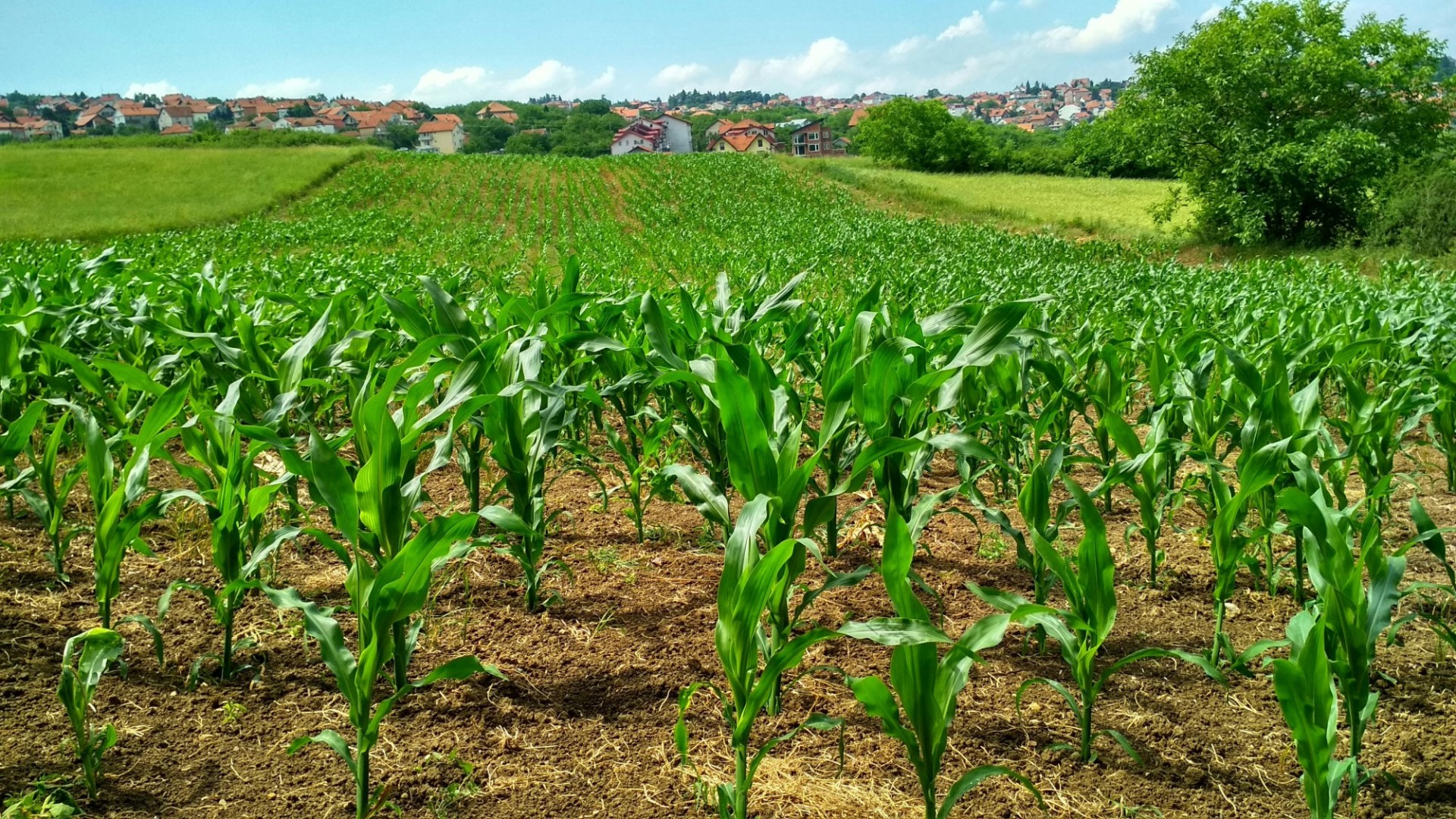
Soil compaction is a serious problem due to the impact on the yields, while this is not often connected to compacted soil. Sometimes yield is being potentially reduced by as much as 10%, especially when it occurs under crop rows or ridges. Compacted soil prevents the roots from growing so there is not enough access to the nutrients that the plant needs. Preventing new compaction during tillage and fieldwork is therefore essential. Yield reduction can come from many factors, like too low organic matter, not enough water, diseases, etc. This makes it hard to conclude where the reduction is coming from. When a farm has a lot of heavy-tillage crops one can understand that those soils have a high change of soil compaction after harvesting, here comes the benefits of cover crops. There are also ways to loosen the compacted soil with certain machines.
Structural-VF-tire.jpg
Compaction is tire pressure

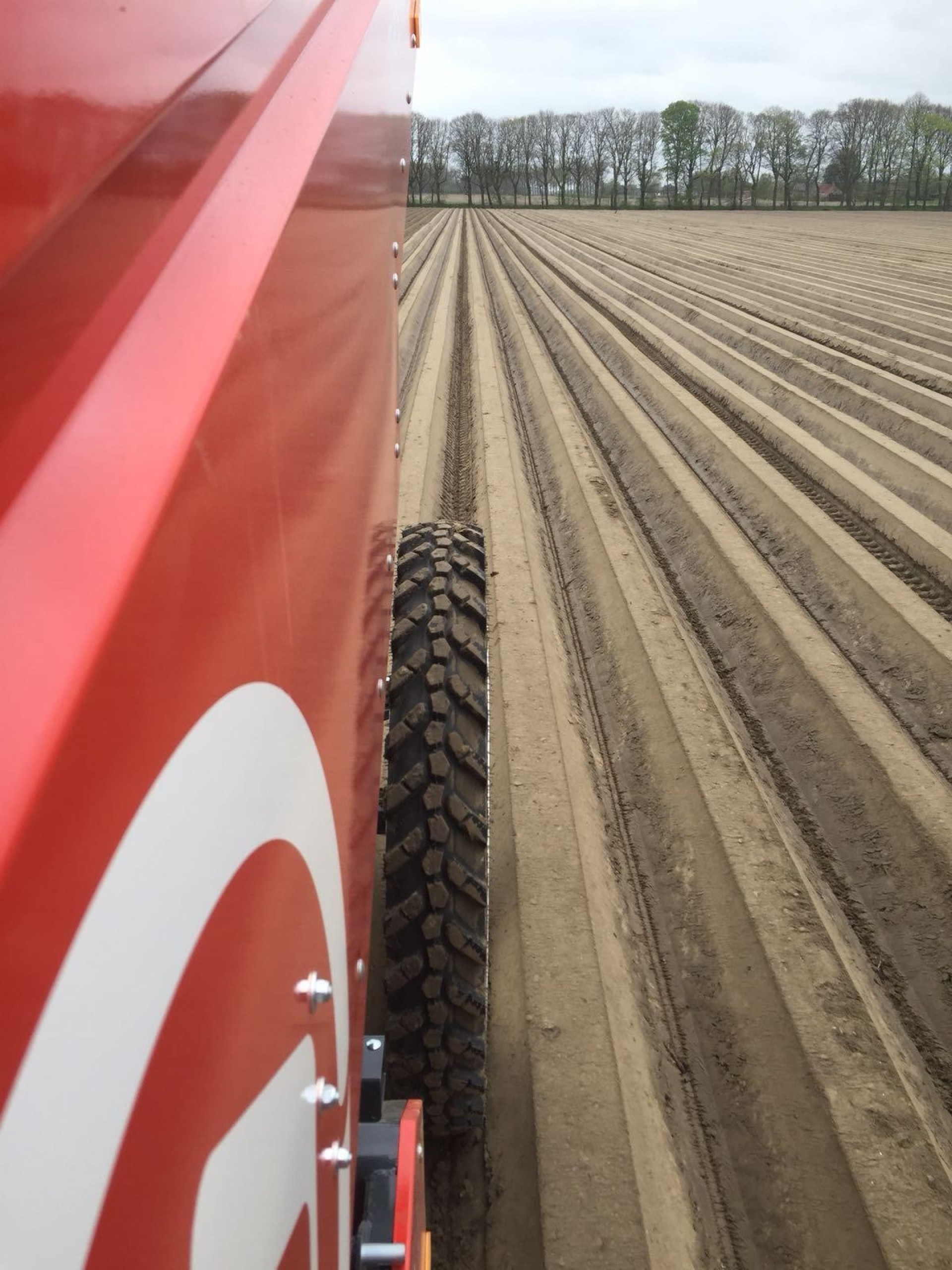
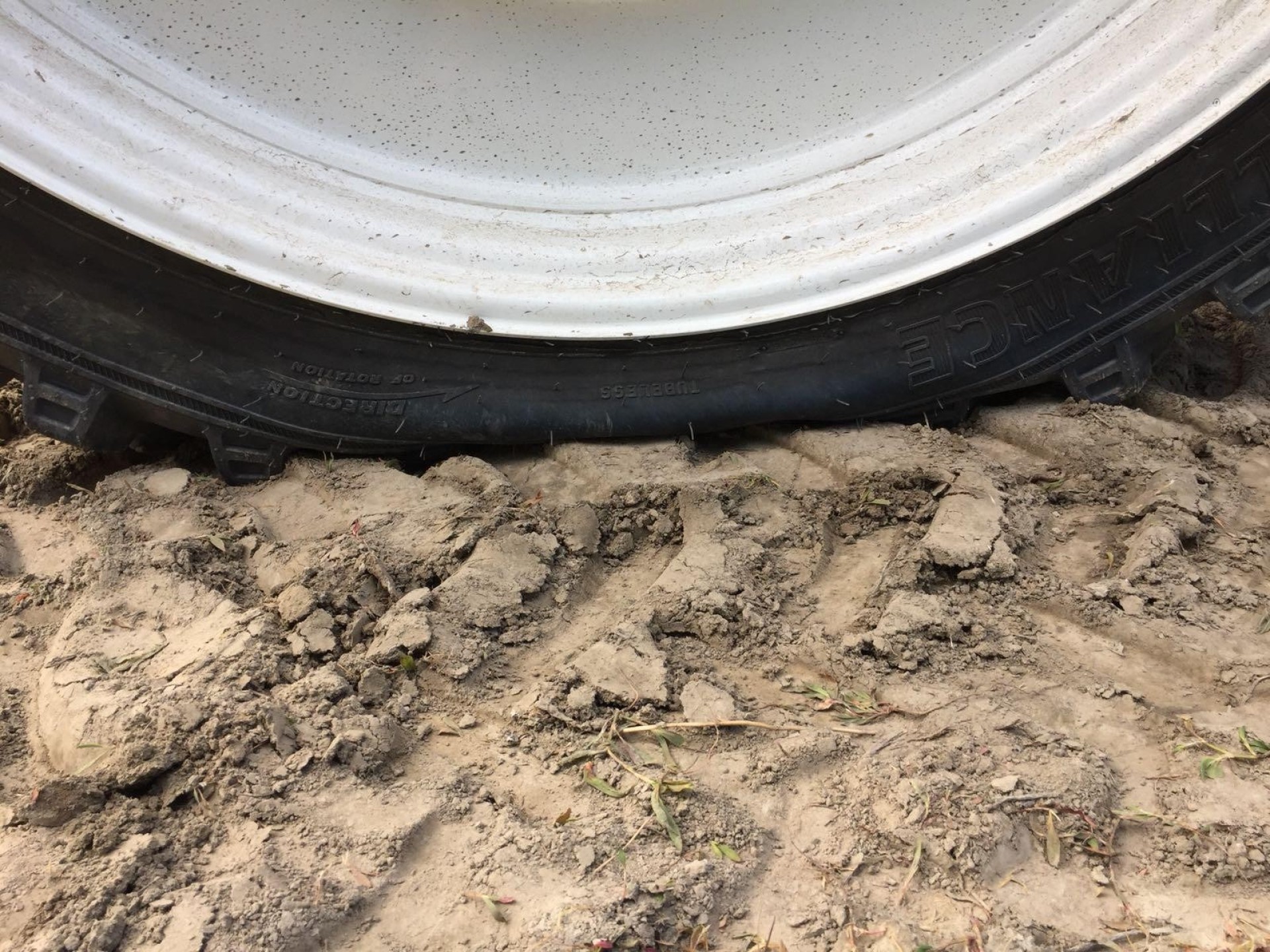
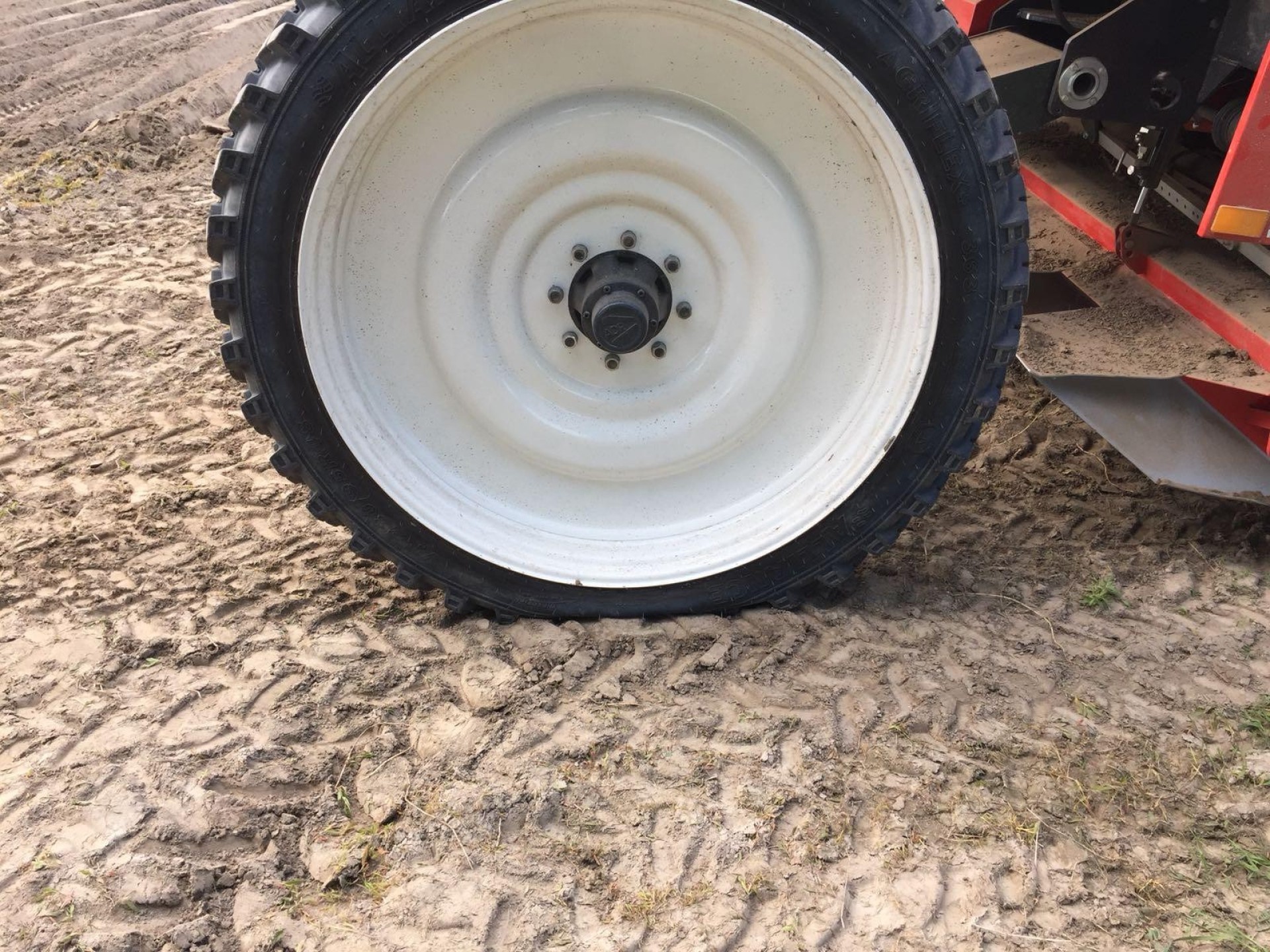
One of the most overlooked causes of compaction is tire pressure. Heavier machinery with high tire pressure exerts more force per square centimeter, compressing the soil. Even one pass with improperly inflated tires can create compaction layers 30–50 cm deep.


While tillage is used to loosen compacted soil, frequent or deep tillage can increase long-term compaction, especially in the subsoil. Tillage-intensive crops like potatoes, sugar beets, or carrots often require multiple passes with heavy equipment, increasing the risk.


Deep tillage (subsoiling) can temporarily reduce compaction but may destroy soil structure and organic matter if done too often. A long-term regenerative approach combines reduced tillage or strip tillage with strategic traffic control and cover crops. For example: research has shown that daikon radish can reduce soil density by up to 25% in compacted layers after one season.


Soil compaction is also talked about in the paragraphs ‘minimum tillage’ and ‘cover crops’, check those if more information is needed about these mitigation methods.

Structural-VF-tire-3.jpg
High Flextion or Flotation tires
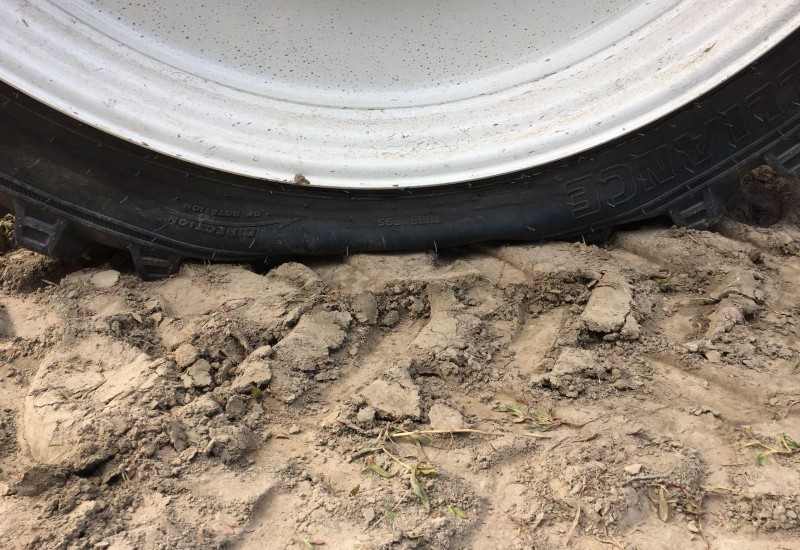
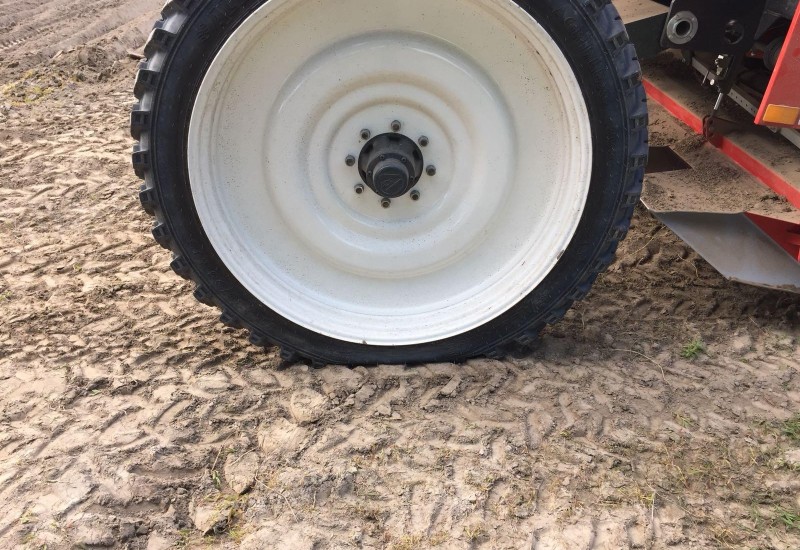
  • APH Group offers machines with Very High Flextion or Flotation tires. Floatation tires are characterized by their high volume, meaning higher side walls and wider footprint. They also offer more support off-road, due to their low-pressure profile, and higher traction. This results in limited soil compaction and therefore healthier soils. The tires also allow the machine to handle a higher load capacity, they improve fuel efficiency when driving on soft/ challenging terrain and they are more durable than regular tires. Flotation tires are often used for heavy machinery on soft soil and harvesting wagons, manure tanks or trailers.


  • VF, Very High Flexion tires are characterized by their flexible side walls, and their ability to work at high speeds. The tires can carry the same load as regular tires, but they at a 40% lower pressure rate. Just like the Flotation tires, they offer less damage to the soil structure, but other than the floatation tires, they can be used for machinery which are often on the soil as well as the road. 
whatsapp
+31 513 481 101