


Green practices mostly contribute to an increase in organic matter and thus carbon fixation. There are different methods that can be used to create an integrated regenerative system
Increase in organic matter and thus carbon fixation
Green practices mostly contribute to an increase in organic matter and thus carbon fixation. There are different methods that can be used to create an integrated regenerative system
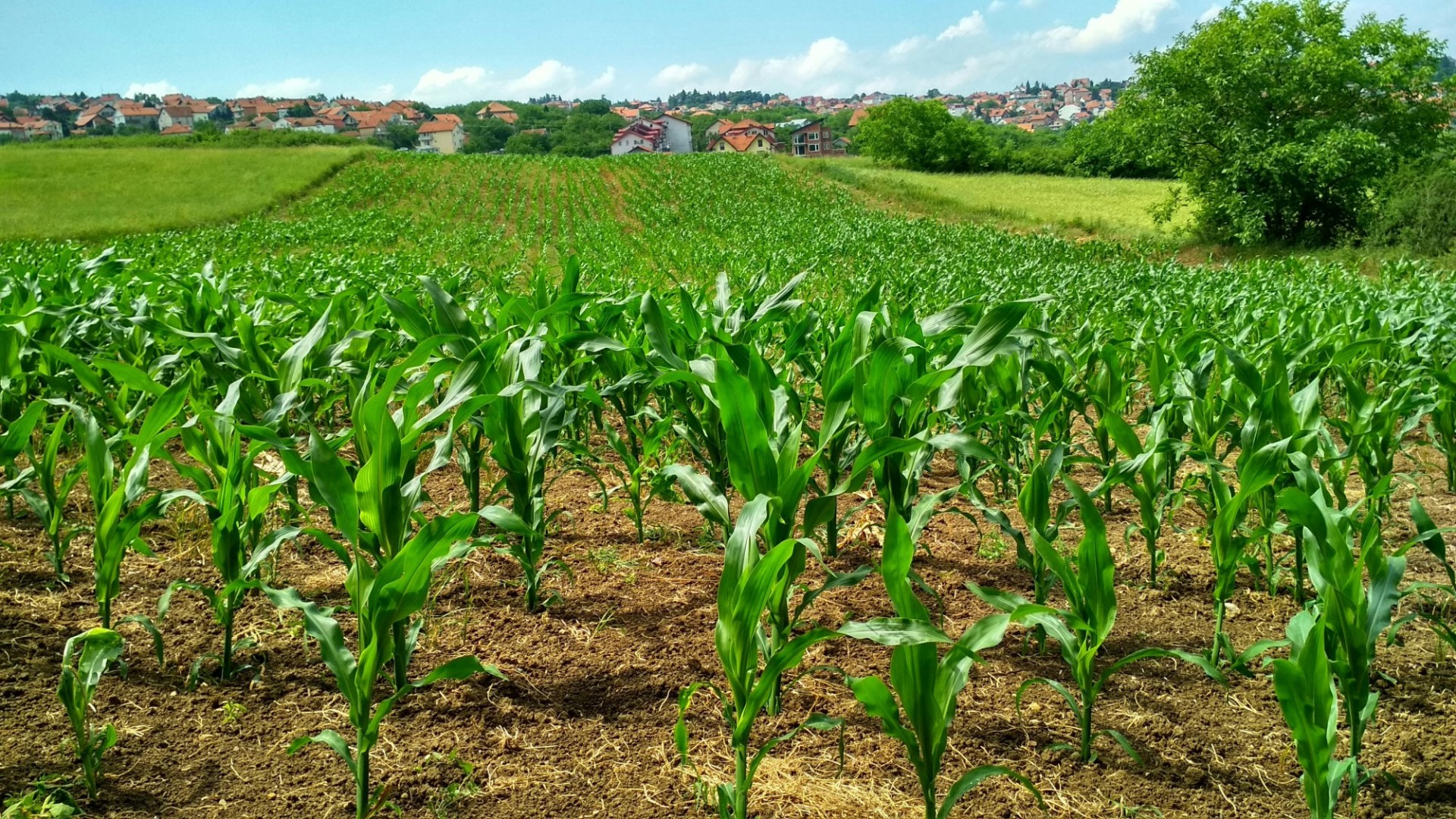
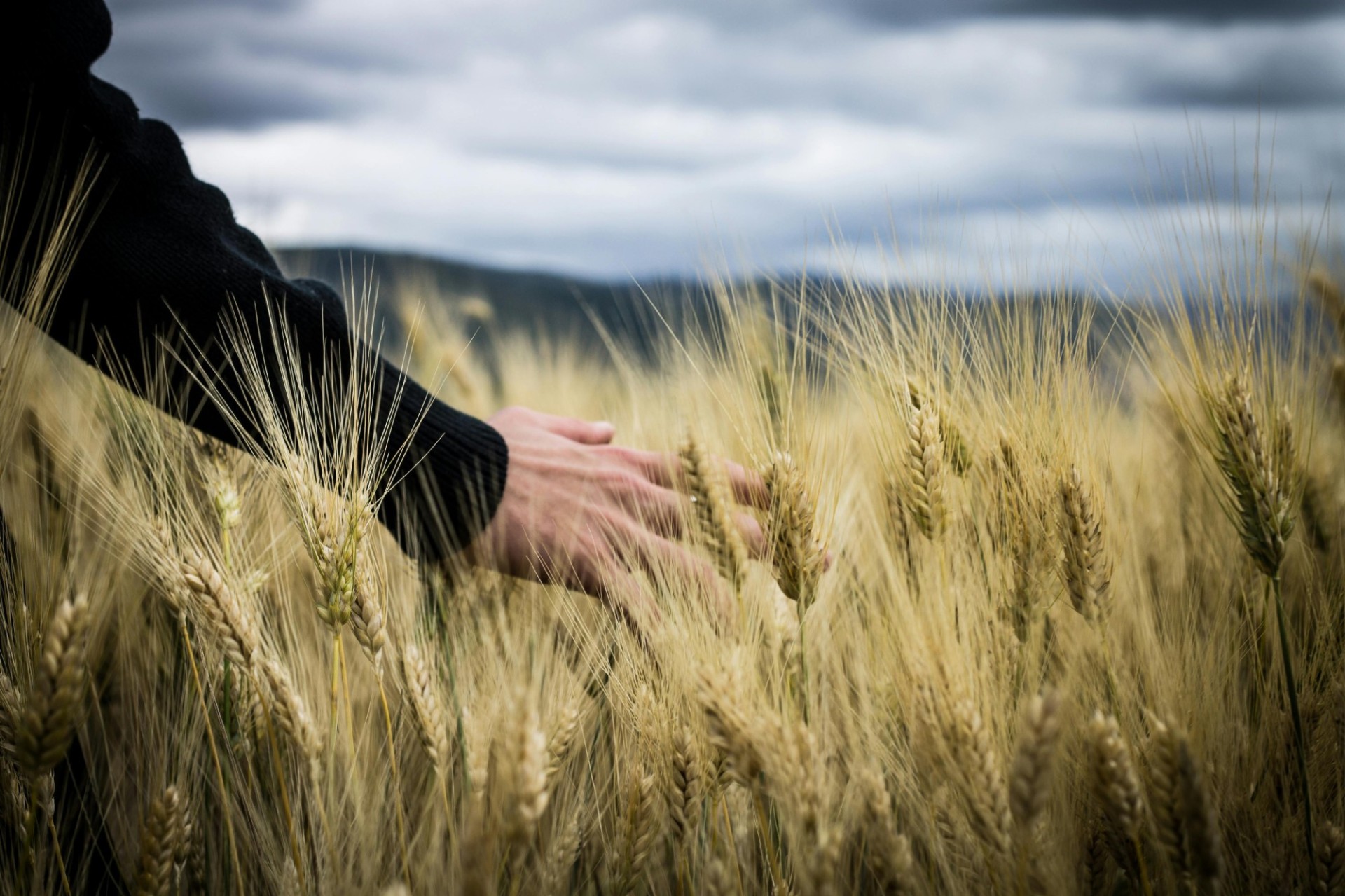
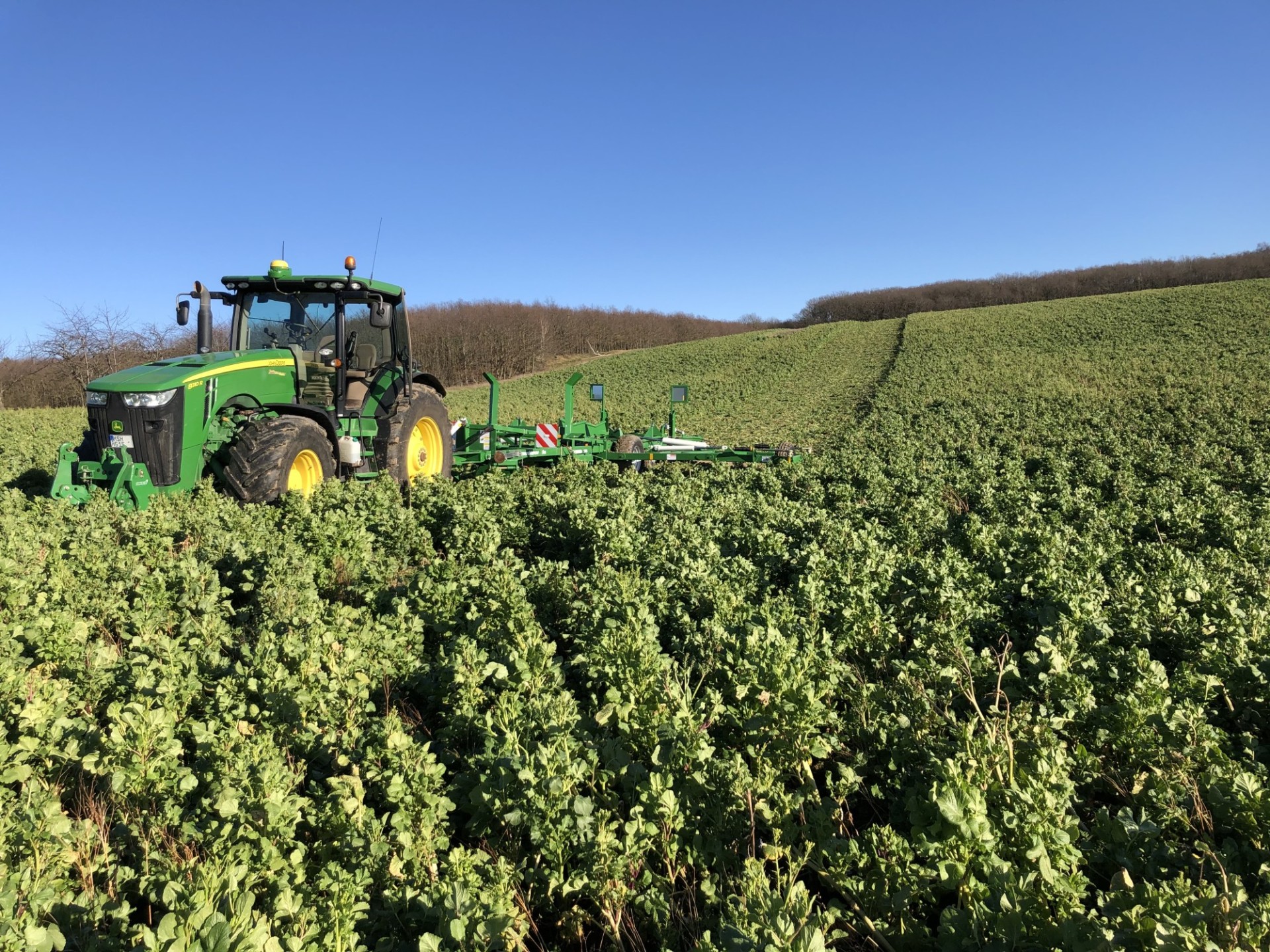
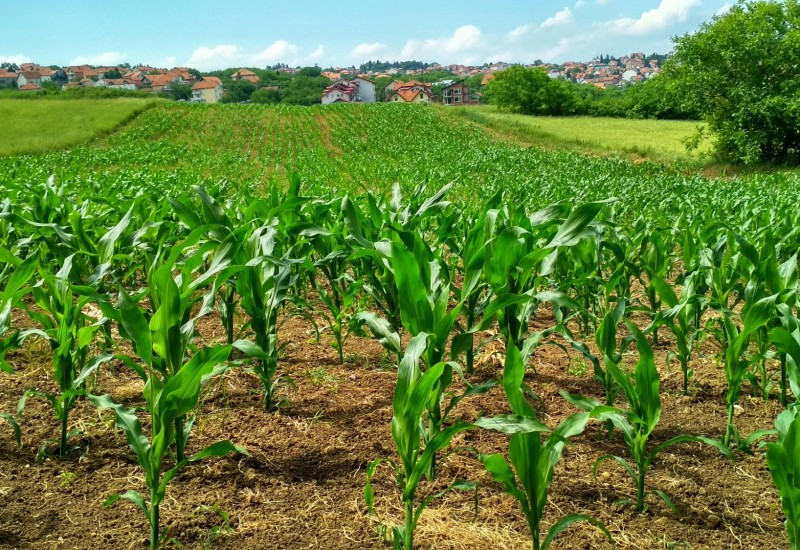
Cover crops are crops that are planted on the same plot after the main(cash) crop, resulting in the remainder of living roots in the soil all year round. Cover crops keep the soil covered during the winter, until they are killed or cultivated in the soil, mostly in the spring. Cover crops can also be perennial, which are beneficial when the soil is severely compacted.
Continuous soil coverage has proven to be effective on (soil) biodiversity, carbon fixing in the form of organic matter, enhance soil structure, soil life, nutrient exchange and water capacity, prevent leaching and runoff. Cover crops can also function as a natural enemy for pests and diseases, in and above the soil.
Using a mix of cover crops combines the strengths of different species and enhances biodiversity both above and below ground. When diverse cover crop mixtures are used, biodiversity can increase by up to 21%, and overall soil function improves. These mixed systems can also contribute up to 10% more to carbon capture compared to single crop covers.
Legumes, such as peas, beans, clover, and alfalfa, are particularly effective. They form a symbiotic relationship with rhizobium bacteria in their root systems, allowing them to fix nitrogen from the air and store it in the soil. This natural nitrogen input supports main crops and helps build organic matter, increasing carbon storage in the soil by up to 8%. In addition to soil benefits, many flowering cover crops also play a vital role in supporting pollinators, helping to slow the decline of bee populations and other beneficial insects. By planting cover crops annually, these positive effects will increase over time, contributing to a more resilient and regenerative farming system.
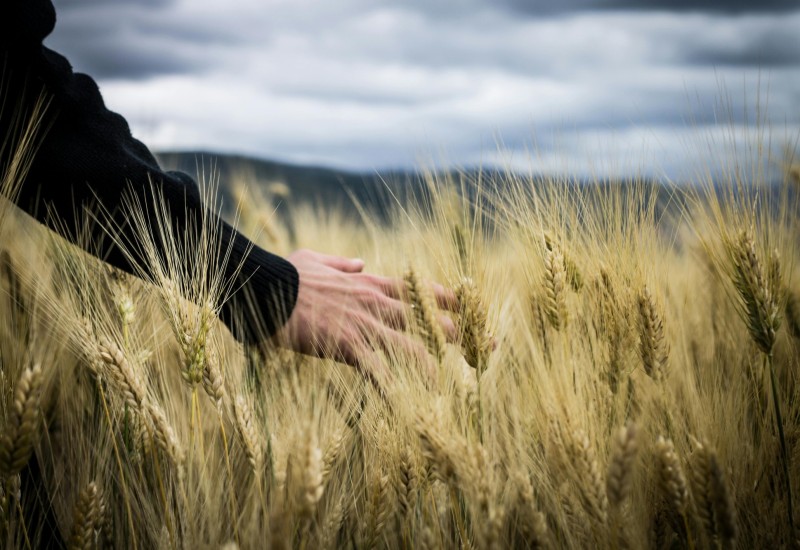
Rotating crops and increasing the time between growing the same crop on the same field can greatly improve soil health and biodiversity. Well-managed crop rotation can help store up to 5% more carbon in the soil and boost biodiversity by up to 37%. Crop diversification is essential, as each crop interacts differently with the soil, influencing nutrient cycles, microbial life, and the overall resilience of the system.
By rotating crops over several years, such as in a 1-in-3 rotation for potatoes, where the crop returns to a plot only once every three years, farmers reduce the risk of soil fatigue and pest/ disease buildup. Some crops, like grains or grasses, can be grown for multiple years with minimal negative impact, especially if soil health is actively managed. However, long-term monoculture increases the likelihood of soil-borne diseases and pests, which can survive and spread more easily in uniform systems. This often leads to higher use of chemicals and synthetic fertilizers.
The type of crops used in rotation also matters. Crops with similar characteristics may attract the same pests and diseases, reducing the effectiveness of the rotation. A well-planned rotation, with varied and complementary crops, is therefore a key strategy in regenerative agriculture, supporting long-term productivity, soil function, and ecological balance.
Including low-impact crops grown as a main crop in a rotation plan is a good method to give the soil a rest, support the nutrient cycle and thus increase soil diversity and build-up organic matter. This is usually done after the cultivation of a cash crop that has a high impact on the soil. Examples of low-impact crops are rapeseed, black mustard, clovers and crops from the grass family such as buckwheat, oats, grain and barley.
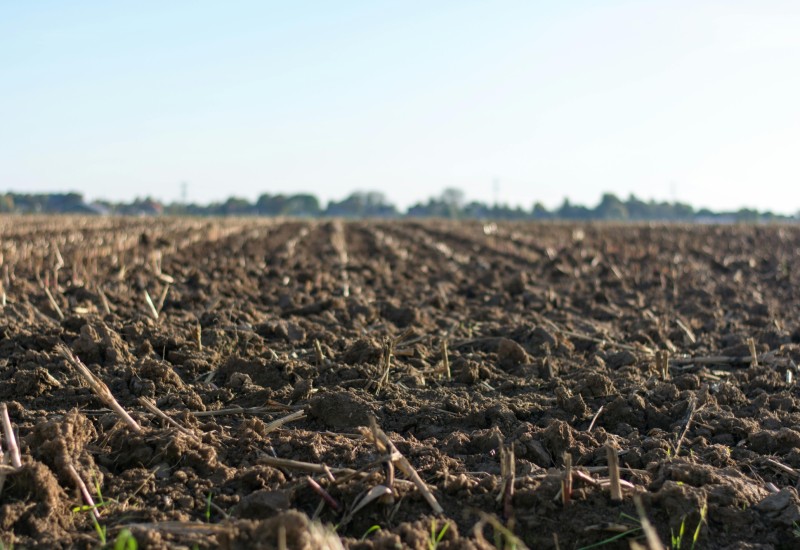
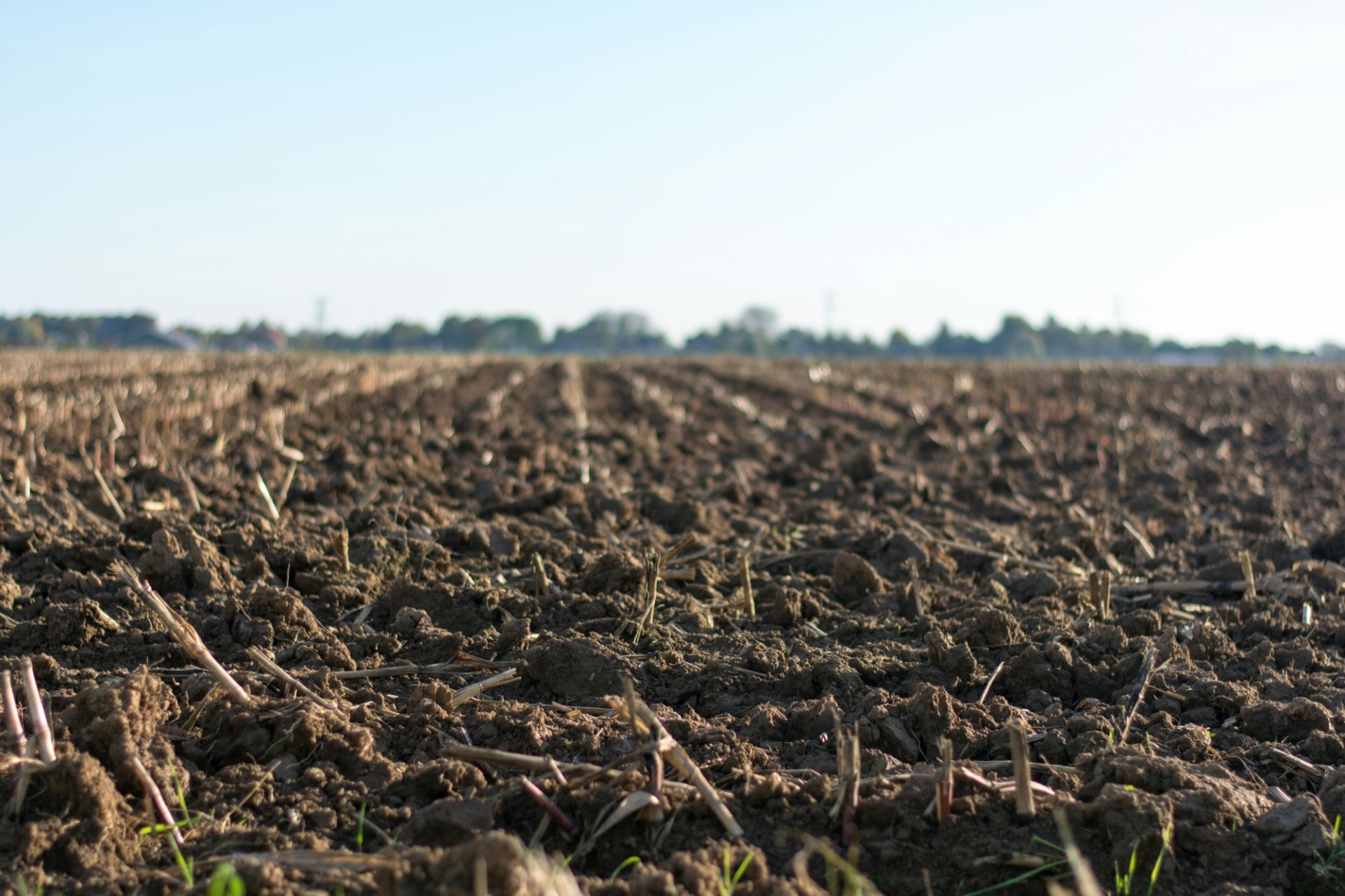
Crop residues usually consist of straw, stubble, foliage, or leaves. Both stubble and straw have a high carbon content, while foliage and leaves contain more nitrogen. Carbon-rich residues break down slowly and have a greater impact on the soil’s carbon balance. Nitrogen-rich residues contain nutrients that are absorbed more quickly. Crop residues are often grain and corn, which consist of carbon-rich biomass, nitrogen, potassium and phosphorus. They can compensate for a part of the drawbacks of inorganic fertilizers by balancing the nutrients in soil. Plus, when rainfall comes, there is less change at runoff of topsoil which contains the most minerals and nutrients.
Crop residues have several positive effects on the soil, including the suppression of heavy metals, pathogens and organic pollutants, biodiversity, soil life and organic matter content while also reducing the pressure of saline-alkali soil. Leaving crop residue on the land offers many benefits for. This practice can increase CO₂ storage in the soil by about 6%. Stubble has a strong effect on the soil because of its carbon content and roots. The stubble helps keep the soil covered and anchored, which prevents erosion. The roots improve soil structure and water retention by creating aggregates. The carbon in stubble adds to the soil’s organic matter, but its decomposition uses energy and nitrogen. When combined with no-till farming, organic matter can increase by 2-5%.
Complete coverage of crop residues also suppresses weeds, protects the soil from degradation, and supports soil life. However, it is important to monitor possible pests and diseases that may remain in the residues.
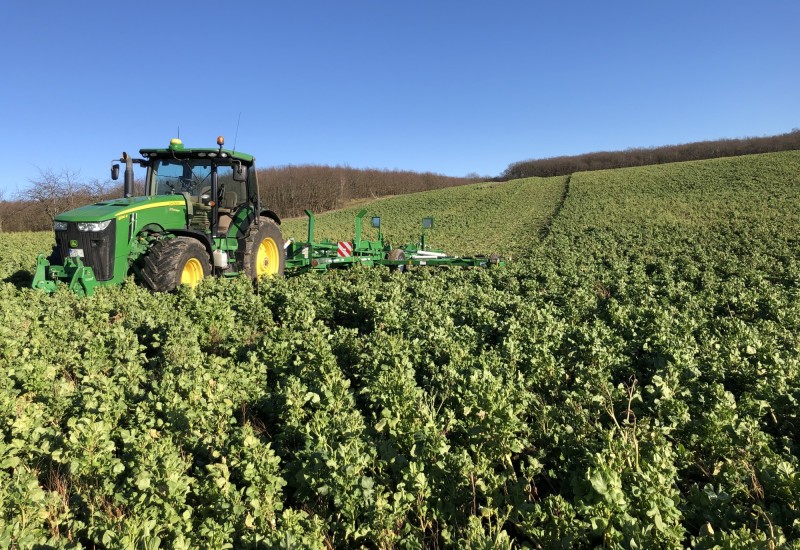
Integrating shrubs, hedgerows, and permanent vegetation around fields and along and/or within borders, helps improve biodiversity, soil stability, and microclimate. These landscape elements reduce wind and water erosion, provide habitat for beneficial insects and birds, and support natural pest control. Once planted, they require little maintenance and contribute to long-term farm resilience and carbon storage.
