How to optimize fertilizing
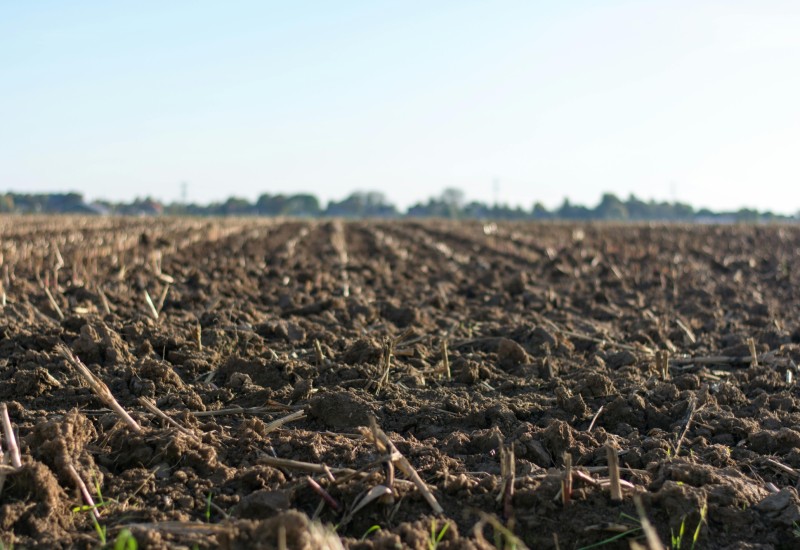
Soil Type: Soil type greatly influences fertilization strategies. For example, sandy soils are more prone to nutrient leaching compared to clay soils, which hold nutrients better but may have other limitations such as poor drainage.
Soil analysis: Optimal fertilizing dosages depend on the nutrient supply in the soil, soil type, crop and the cultivation goal. A soil analysis can give a lot of insight into the state of the soil and how much nutrients there are. It’s good to remember that the soil is very complex and even a soil analysis cannot show all the good and bad things in the soil. A way to see how much the soil is working is by looking at the carbon/nitrogen ratio, this indicates how much is being turned into nutrients a plant can use.
Other fertilizer: Some farmers use other forms of fertilizers like manure or compost, these contain a lot more organic matter, diverse microbes and nutrients which contribute to a healthy and balanced soil. Solid manure has a stronger positive effect on soil organic matter and biodiversity than liquid manure, making it well-suited for regenerative farming. However, large farms may find it hard to apply solid manure at scale, so liquid manure can be a practical alternative. Both types contain phosphate, which is often lacking in European soils.
Timing: Each crop has different fertilization needs depending on its growth stage. Nutrient requirements can vary greatly between germination, vegetative growth and maturation phases.
Variety: Even within the same crop species, different varieties may require varying amounts and types of fertilizer. This specific information is often available from the seed or plant breeder.
Weather Conditions: The effectiveness and availability of synthetic fertilizers depend heavily on weather. Fertilizers are released easier under moist conditions, which affects nutrient uptake and the risk of nutrient loss through leaching or runoff.
Slowly but steady: Rapid reductions in fertilizer use carry potential risks for yield and productivity. That’s why gradual changes and multi-year field trials are generally recommended to ensure reliable outcomes. These long-term tests help assess how less fertilizer affects crops, soil, and yields. Monitoring over several seasons provides reliable data, allowing informed decisions that reduce risks and improve both economic and environmental outcomes. This careful approach builds trust in sustainable fertilization and supports better nutrient management.


_1920x1279.jpg)
_800x550.jpg)