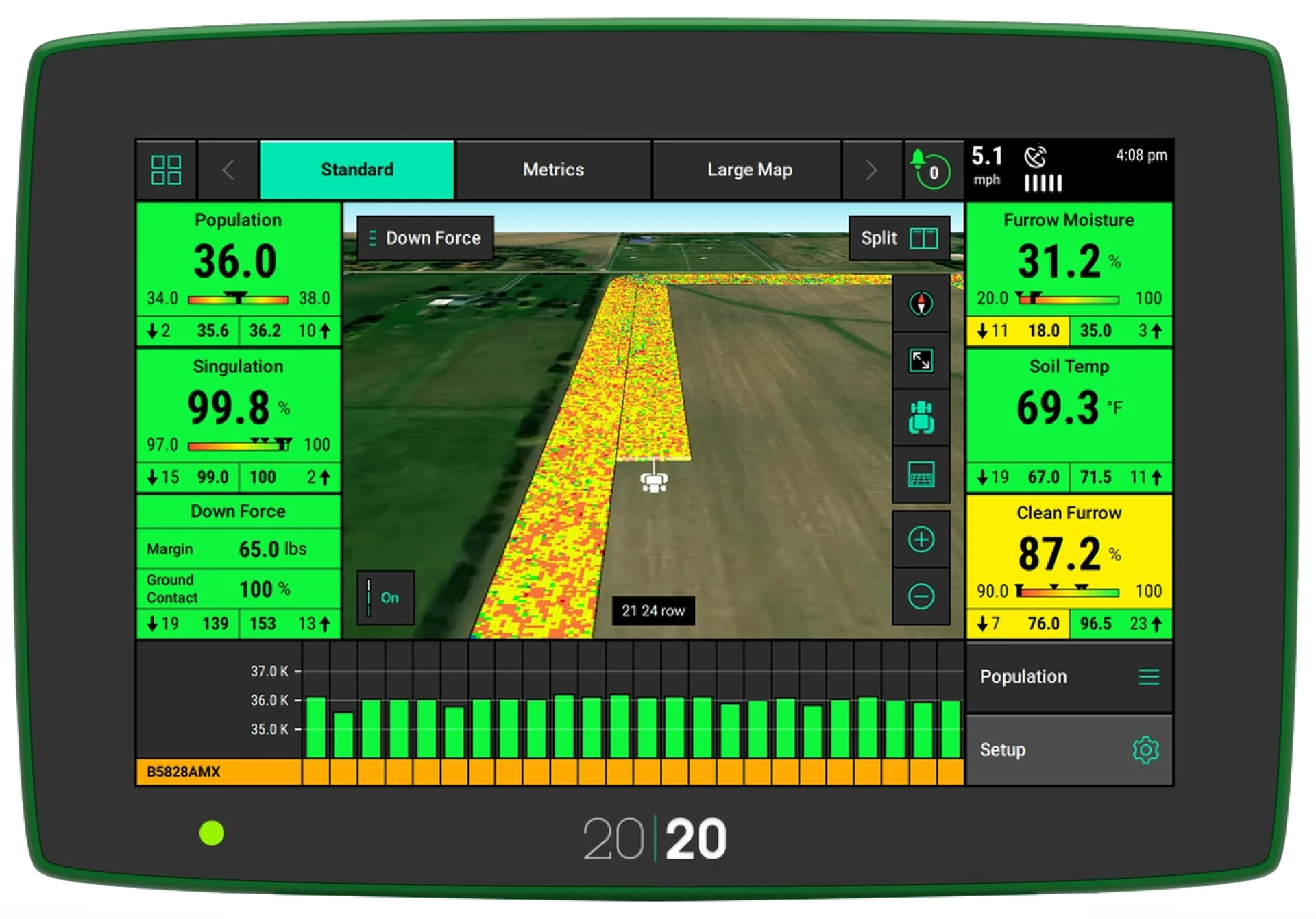
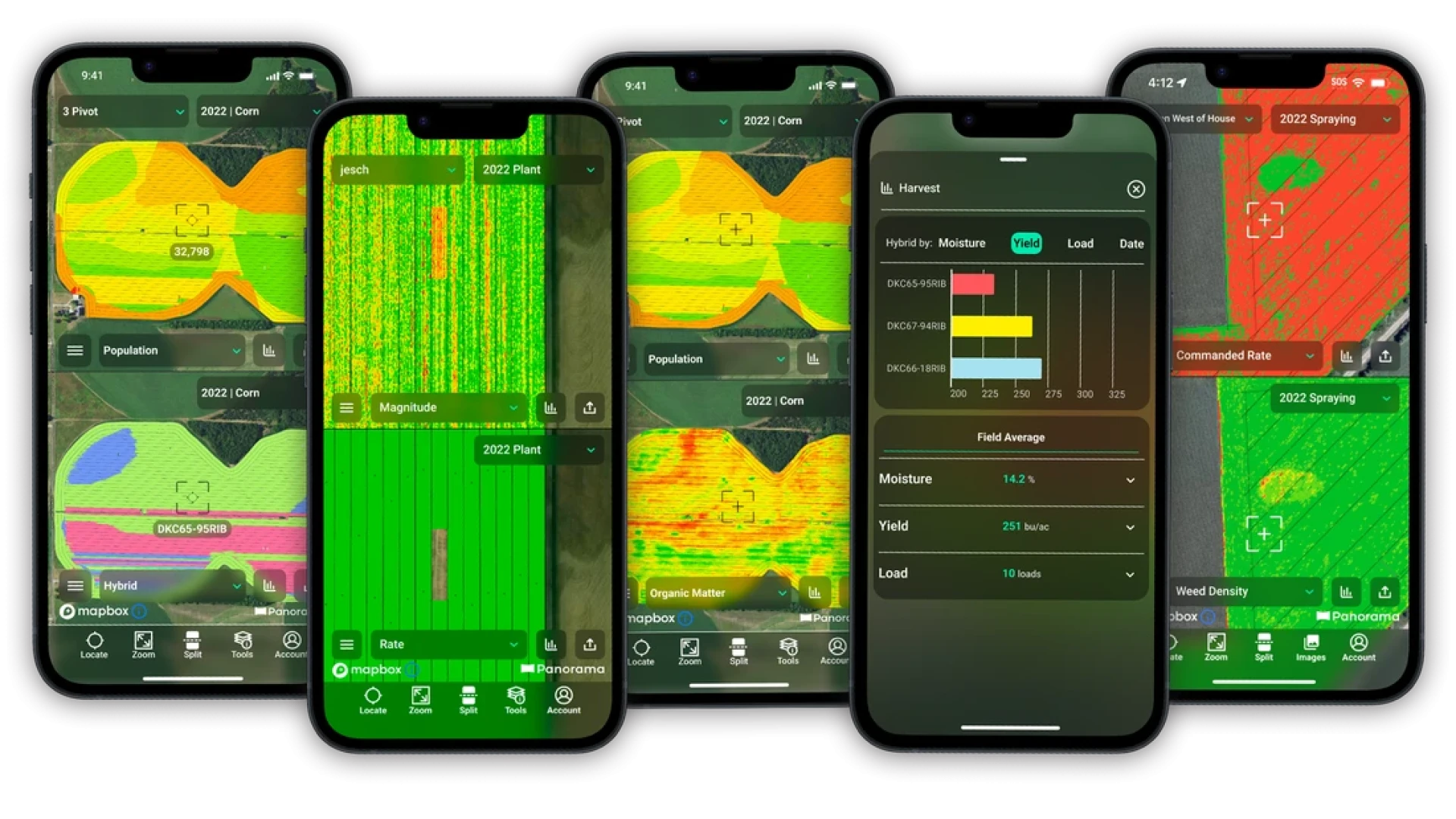
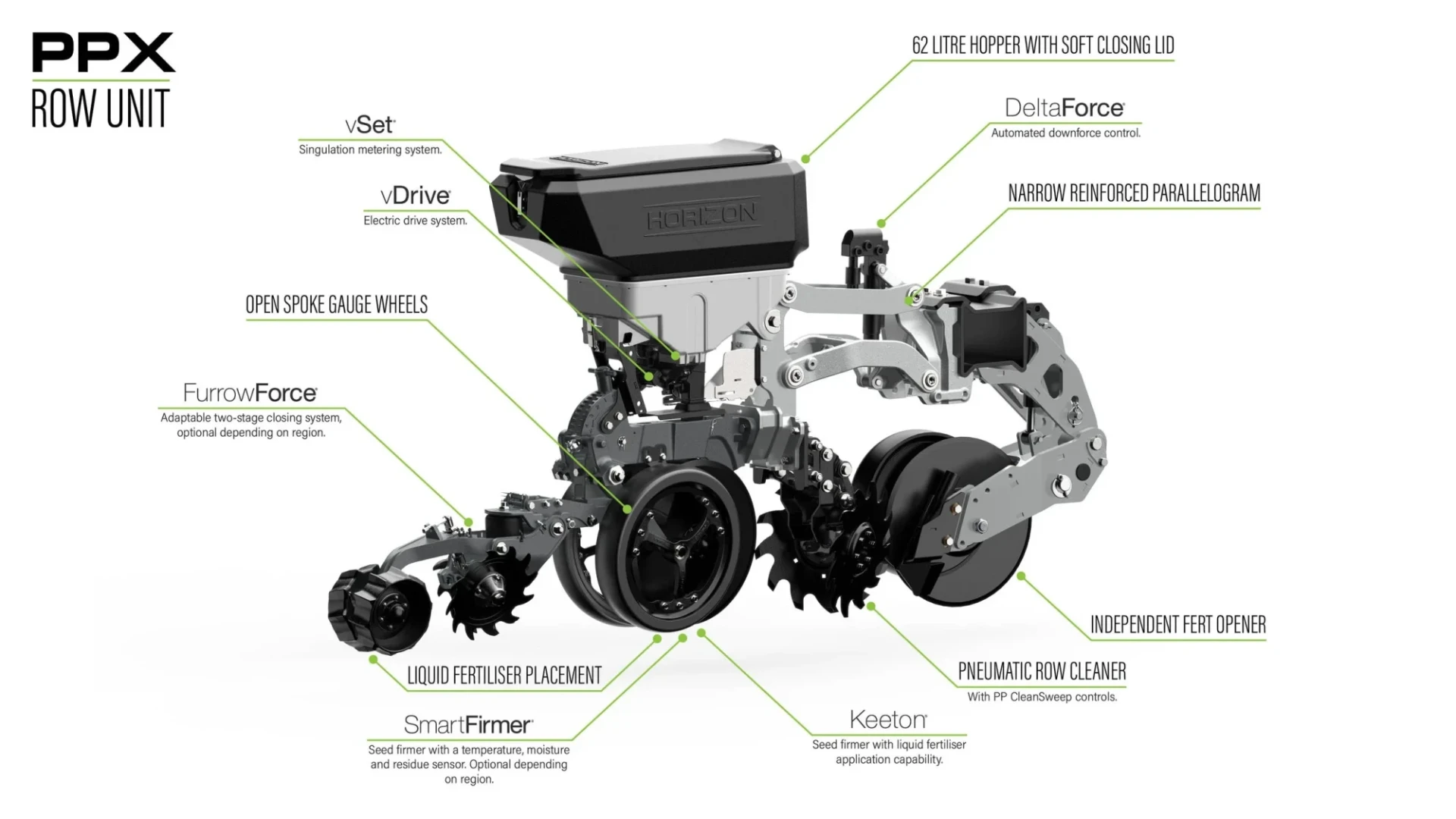
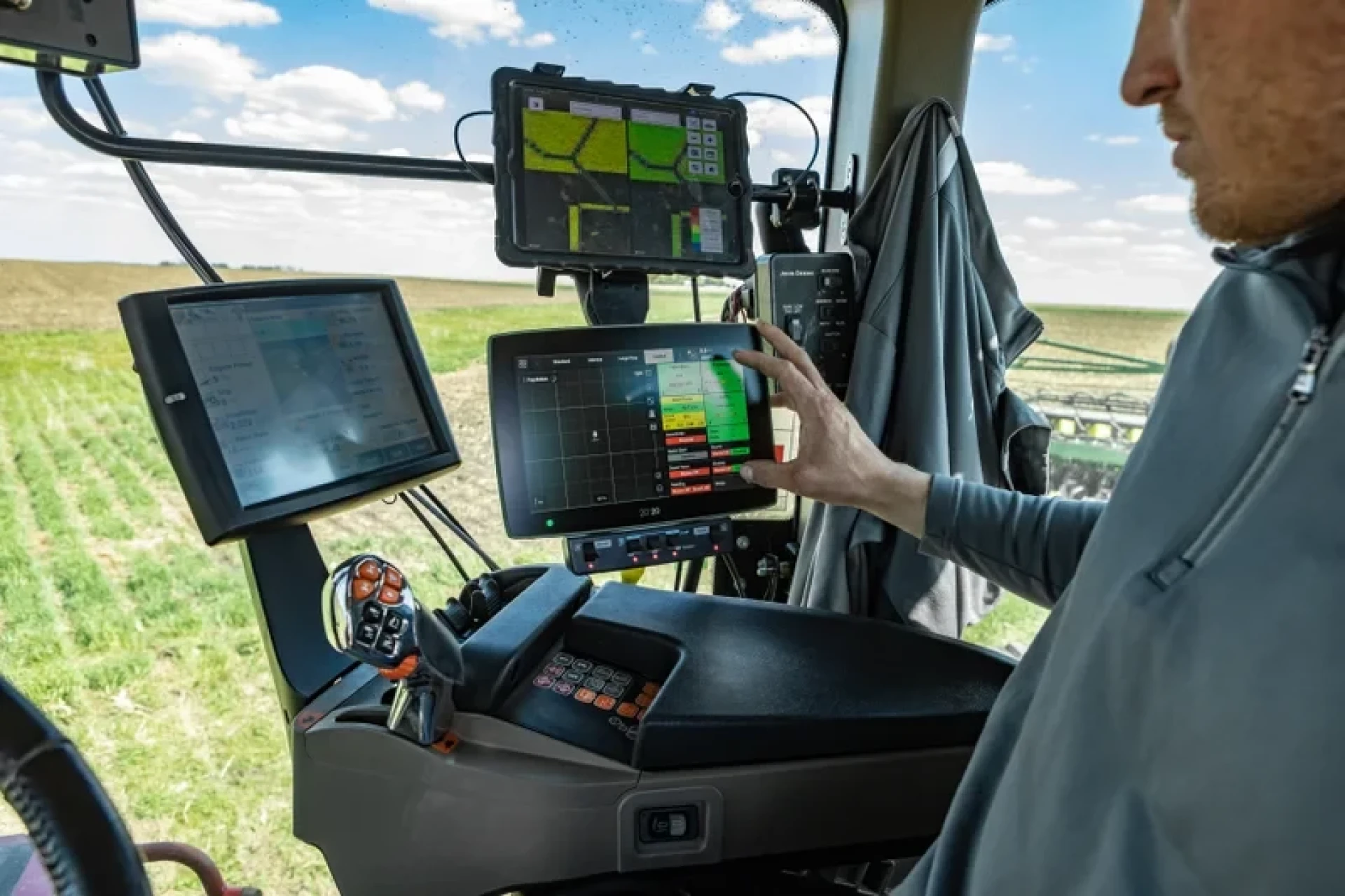
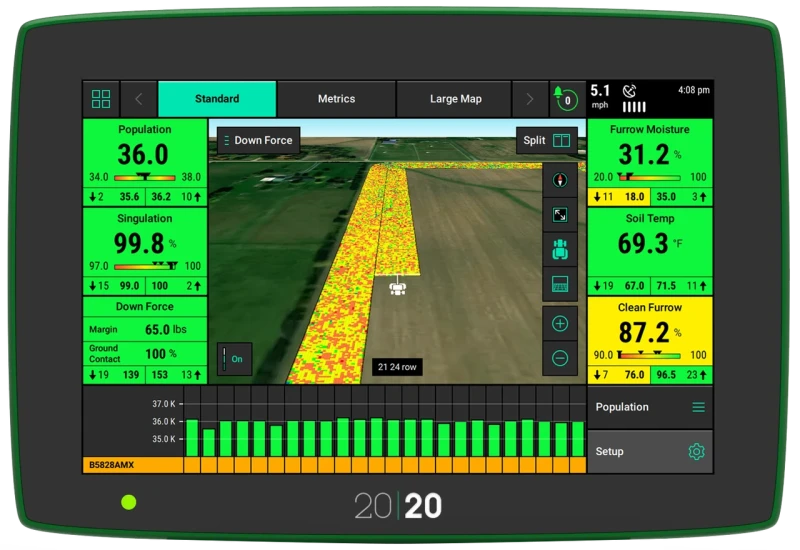
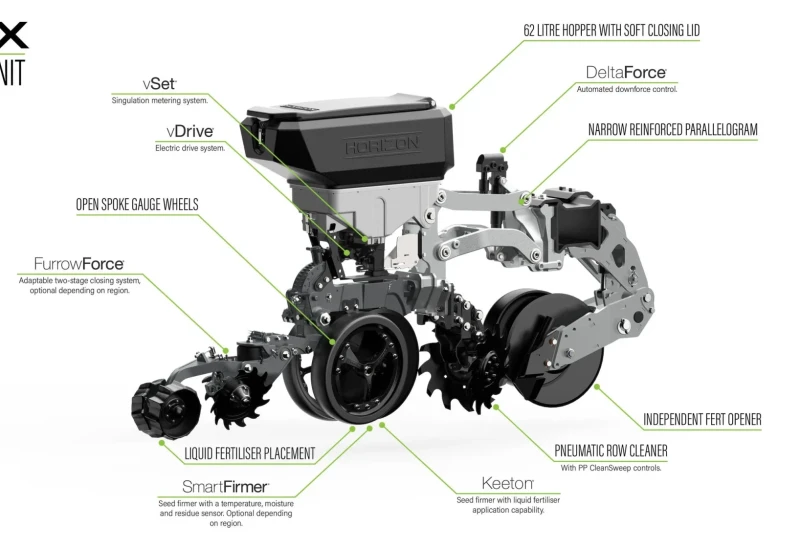
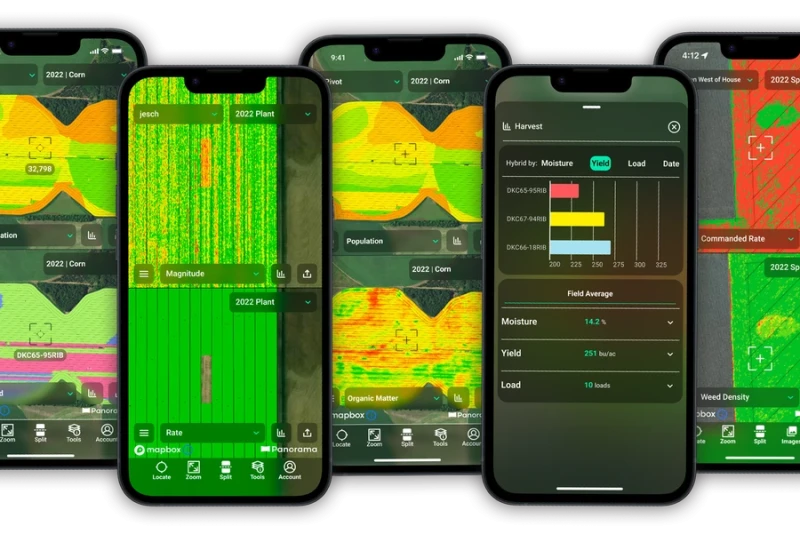
Precision farming is a form of agriculture that uses modern techniques such as sensors, drones and satellite images to provide customized treatment for the crop. This method is often used for chemicals, fertilizers, weeds and soil analysis. The goal of precision farming is to apply as few products and processes as possible locally. For example, this means that a precision fertilizer spreader spreads more where the crop is not growing well. Precision farming techniques ensure that the crops only get what they need. This reduction results in a decrease in fertilizer and chemical use while yields remain high due to optimal use of these. The disadvantage of precision farming is the high costs of the techniques associated with it. However, these costs can quickly pay off if yields increase, if less labor is needed and if less fuel and emissions are emitted.
Precision farming & chemical application & other