Regenerative practices and outcomes

Reduce tillage

Recovering of biodiversity and organic matter usually requires systematic changes in cultivation systems. But small changes in a cultivation system can also already help a lot, like no driving on moist soil or leaving crop residues. A combination of methods and techniques will deliver the fastest and biggest, but even then, it can take a few years before a difference can be noticed. Farmers, scientists and companies are still gaining knowledge regarding cultivation practices and techniques that could be applied in regenerative agricultural systems. We, as APH also offer multiple solutions to help you become more regenerative or efficient.

pexels-flambo-388007-1112080.jpg
Minimum tillage

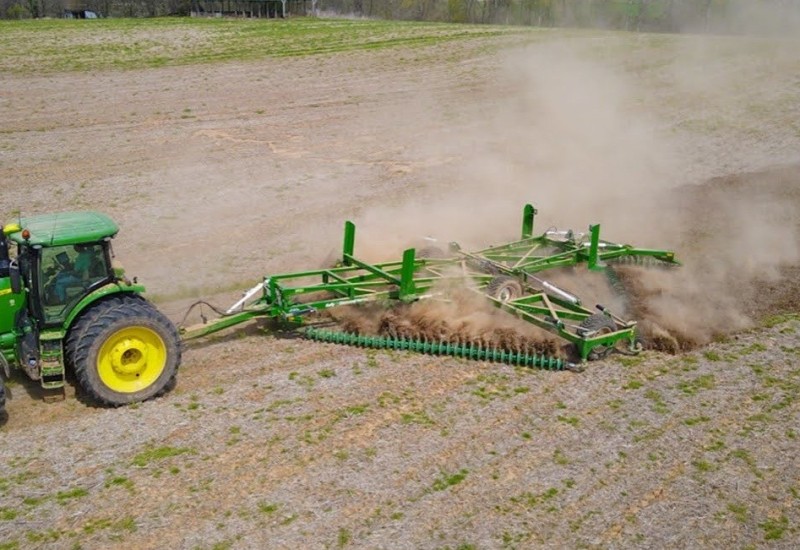
Minimum tillage without ploughing or with surface ploughing is good for the soil because of less soil compaction, structure damage, remaining nutrients balance and soil life, beter water retention capacity and less chance at a plough sole (compact layer just below the ploughing depth). The more tillage takes place, the more emissions are emitted through the disruption of soil organic carbon (organic matter) and through the oxygen which speed up microbial activity. The positive effects come with time, and it takes time to find a cultivation strategy that suits the farm. Another critical point is weeds, ploughing eliminates weeds. This could result in the usage of more herbicide, but another solution would be to make a false seedbed before actual sowing, this may require an extra work process which costs time and fuel. Minimum tillage can be done at depths till +-30 cm, depending on the circumstantial needs. This practise does not necessarily increase crop yields.

Kelly-Tillage-Model-3009NT-2.jpg
Light tillage for minimum disturbance

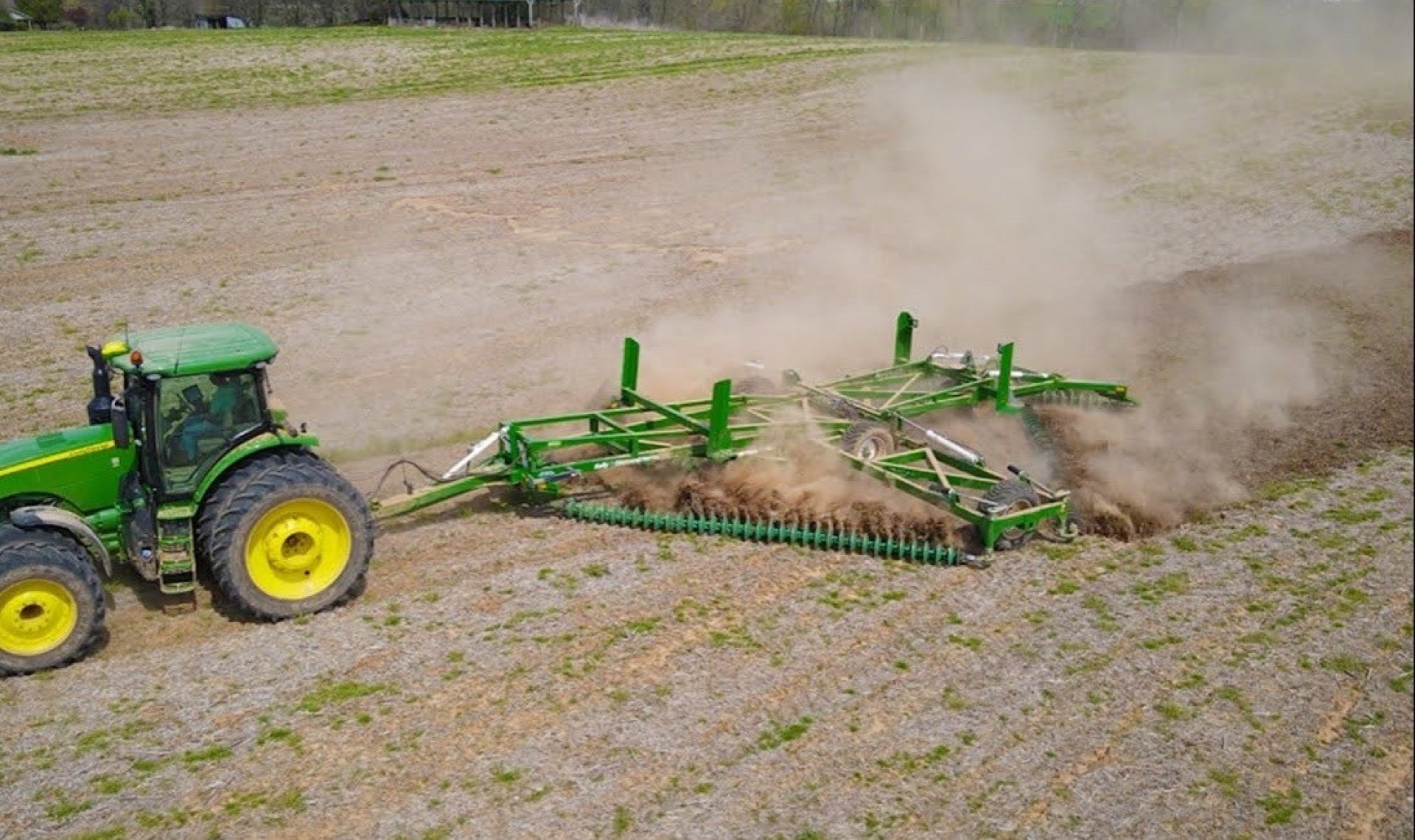
The KELLY Tillage System is designed for ultra-shallow tillage, it creates a smooth and even seedbed while incorporating mulch and cover crops. The diamond-shaped, low-cost tillage machine is developed in collaboration with farmers. This shallow working depth helps maintain soil structure and moisture, providing ideal conditions for seed germination. At the same time, the light scarifying action of the Disc Chains stimulates weed seeds to germinate before planting, which enhances the effect of a one-time herbicide pass and limits further weed emergence during the growing season. By breaking down residue and leaving a protective mulch layer, the system helps insulate the soil and prevent erosion, supporting year-round ground cover. The ability to start field preparation early in the season also saves farmers time, fuel, and labour, making the KELLY Tillage System both an efficient and sustainable solution for modern regenerative farming.

HORIZON-DSX-NO-TILL-DRILLS-2.jpg
No-till

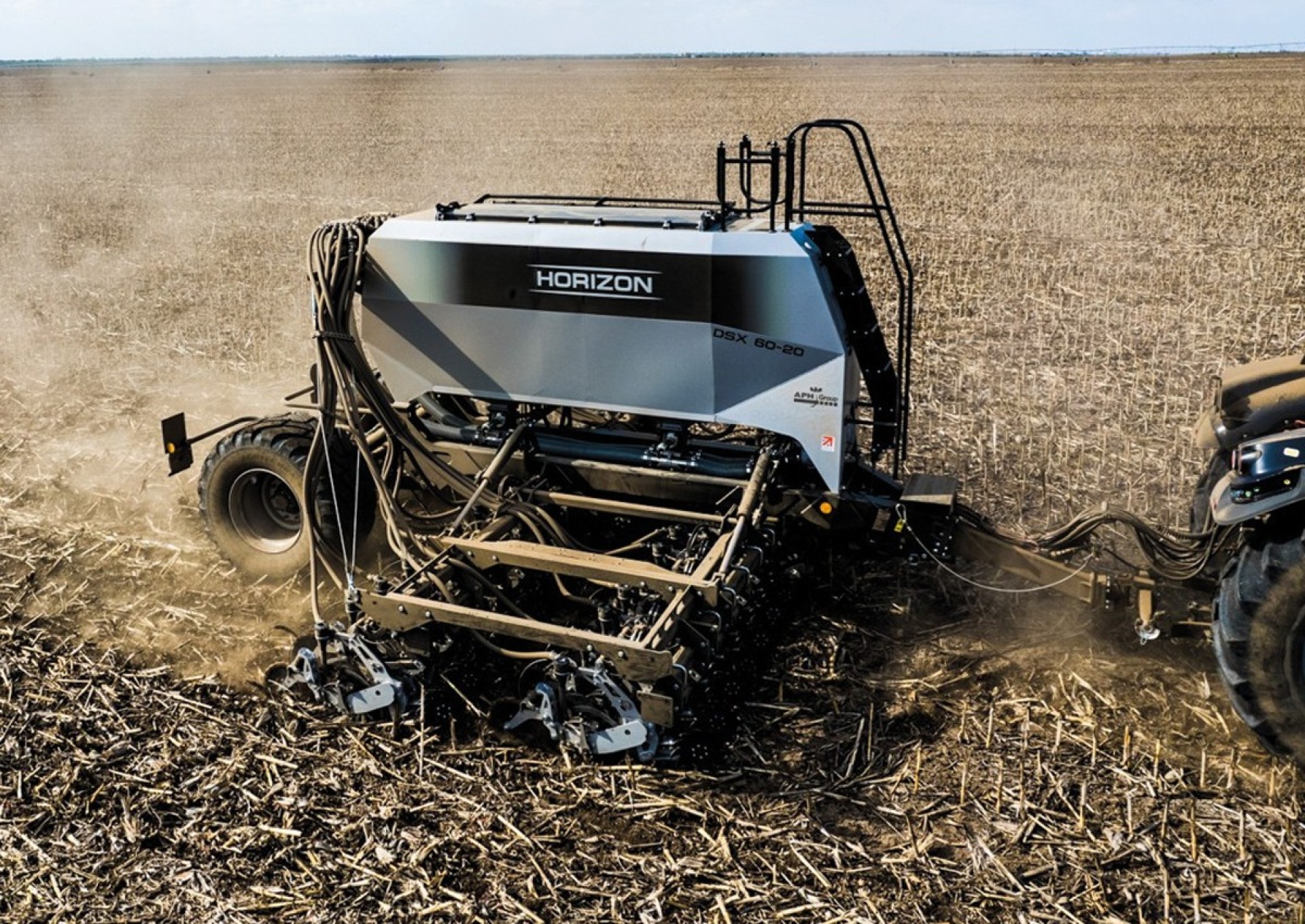
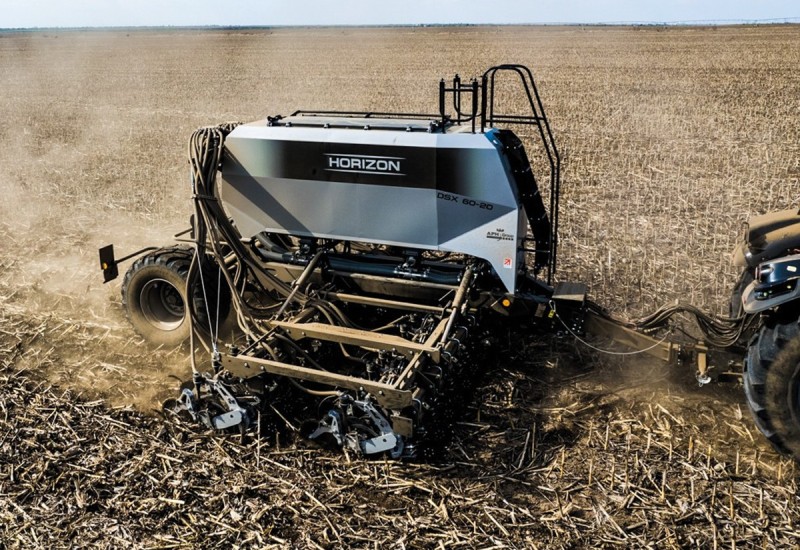
No-till has a great impact on soil health. Over time it creates less soil erosion, less soil compaction especially in combination with cover crops. The need to only once pass a field saves fuel and time, which, in the end, saves money. There is an increase in carbon capture possible of 5-10%. The effects of no-till reach further to a better soil life and more biodiversity.

One challenge with minimum tillage is that it may result in slower soil loosening compared to conventional tillage. However, this can be compensated for by growing cover crops with deep or fibrous root systems, which naturally improve soil structure, create air pockets, and enhance biological activity.

Harvest crops cannot easily be planted using this method, due to the need for loose soil during planting and harvesting, high weed pressure and seed shape (potatoes). Higher weed pressure could also rise the herbicide usage, though weeds can also be suppressed by crop residue or cover crops.

  • The Horizon No-till sowing machine is specially made for sowing in crop residues. Horizon DSX: No-till disc drill from Horizon.
20230830-fendt-spx-8-1699001579VRKd5.jpg
Strip-till

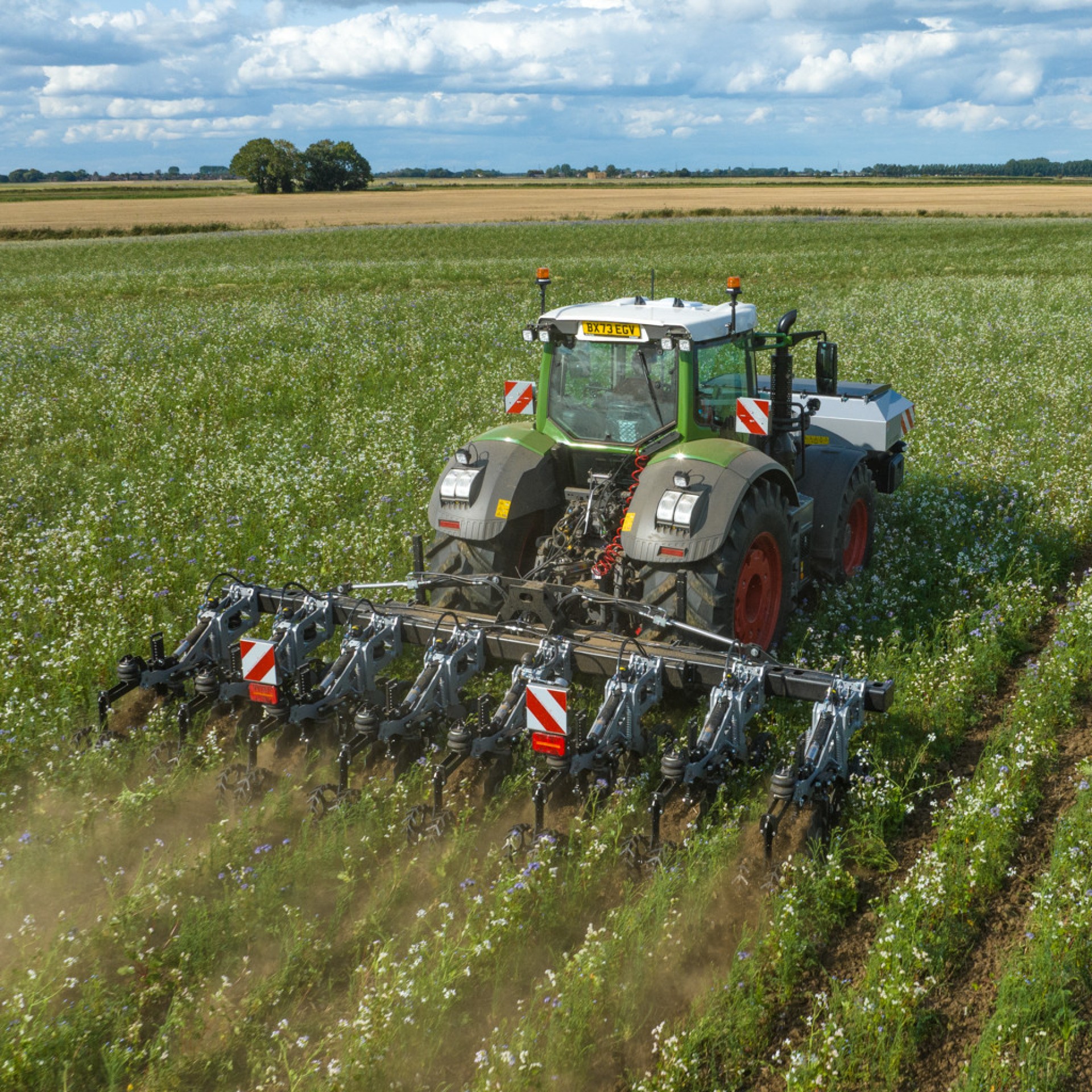
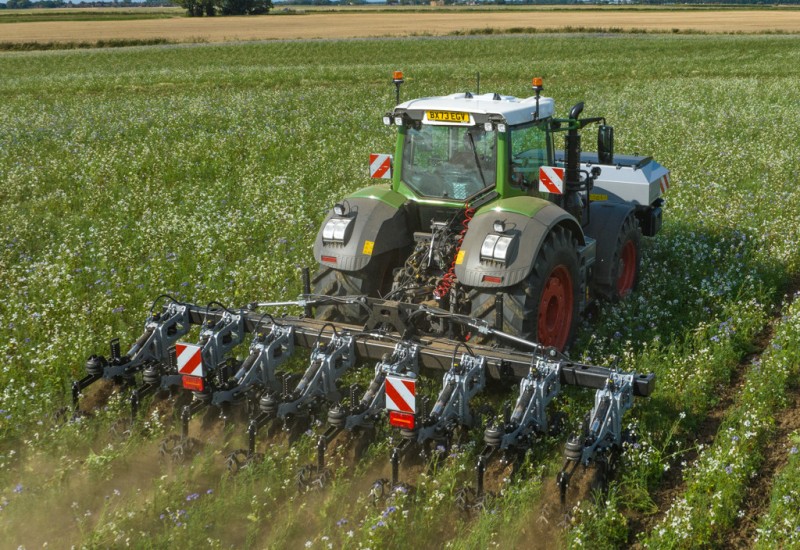
With strip-till only an area of ​​+- 10 cm wide is cultivated and sown, which is done with a special strip-till cultivator. This saves fuel and therefore emissions on the entire field and it keeps the plant remains intact for ground cover. This results in less runoff of the topsoil and more space for biodiversity, as can also be seen in the picture below. The cultivation of cover crops between the tilled areas can also function well as a weed suppressant.

Crops that can be planted with this method are cereals, beans and maize. The cultivation form is applicable to all types of soil, but as with other tillage, weather conditions and machine settings are important. Also, like the no-till machine, strip-till does not necessarily increase yields, but it may reduce costs due to less fuel usage and working hours. The fertilizer application can also be applied more precisely by spreading it in the row itself.

  • Horizon SPX: Strip-till machine from Horizon
  • Harvest International: THE ULTRAMAX Strip-till toolbar
Structural-4000-Smart-Float,-granulate-applicator,-spray-set-(2).jpg
One pass planting

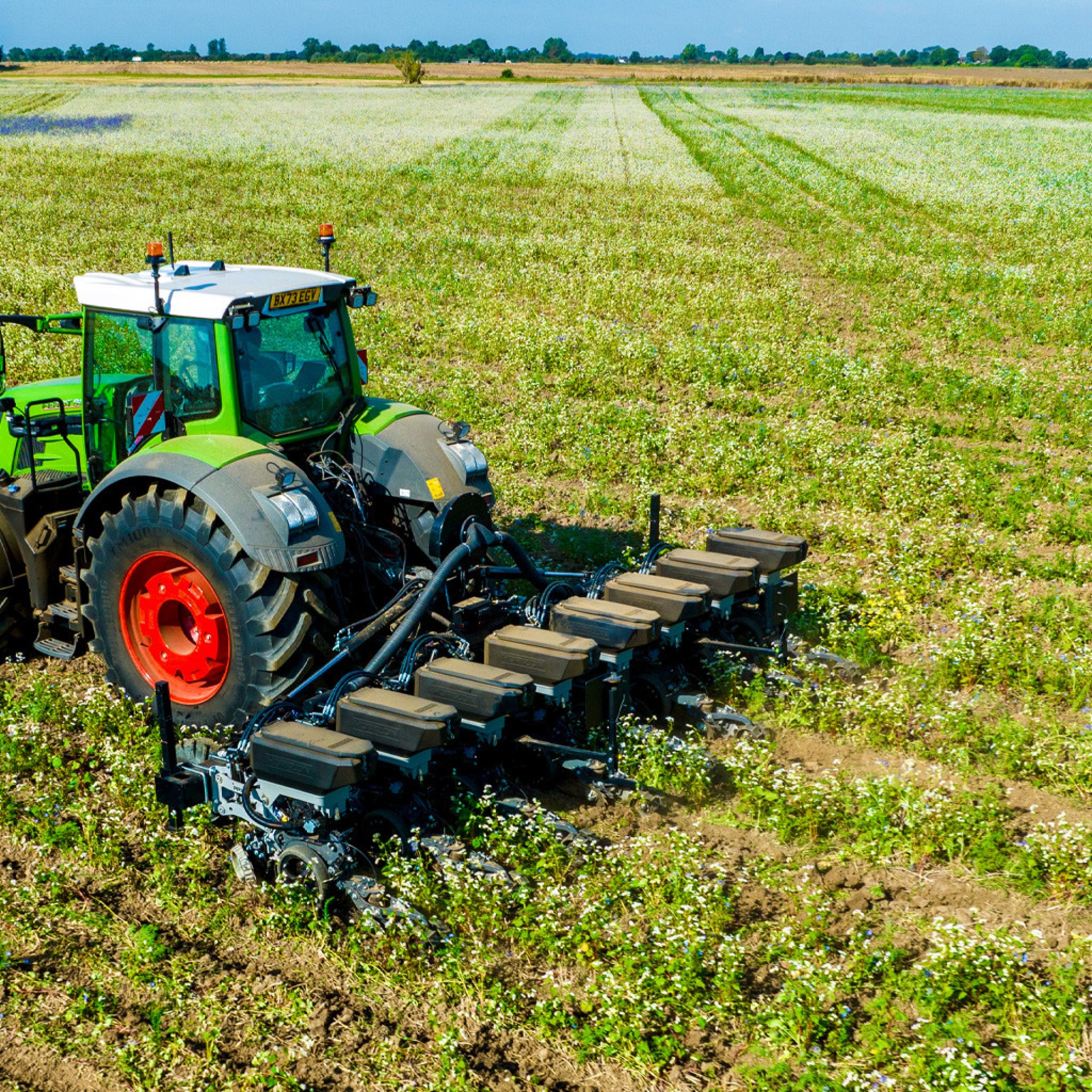
With the right working width and a powerful tractor, seeding and cultivating can be done in a single pass. This one-pass system reduces the number of tractors runs needed, which lowers fuel use and helps reduce CO₂ emissions. It’s an efficient method that supports both productivity and environmental goals.

Planting and tilling can be combined in a single pass, thanks to an integrated cultivator. This setup prepares the soil and plants potatoes in one operation, reducing the need for multiple tractors and limiting soil compaction. An optional in-furrow fertilizing system applies nutrients directly to the root zone, improving efficiency and reducing input costs. By combining tasks, the machine saves fuel, time, and labour, making it a smart solution for efficient planting. This method is appliable for lots of crops including potatoes.

  • Baselier: Combi Cultivator Tillage machine that can be put in front of the tractor, so the seeder can be put in the back.
  • Dewulf: Certa 40 Integral, Mounted 4-row cup planter with integrated cultivator.
  • Dewulf: Miedema Structural 4000, Mounted or trailed 4-row belt planter: Smart-Float.
whatsapp
+31 513 481 101